Understanding the SCM software meaning is essential for businesses that want to manage their supply chains efficiently in today’s digital economy. The SCM software meaning refers to software systems designed to control, monitor, and optimize the flow of goods, information, and processes across the entire supply chain.
As more organizations adopt digital transformation strategies, learning the SCM software meaning helps leaders understand how technology can streamline operations and improve customer satisfaction.

To fully understand the SCM software meaning, it is helpful to know the concept behind SCM itself. Many people ask “What does SCM stand for in software?” The answer is Supply Chain Management, which focuses on coordinating the flow of goods, information, and finances across the entire supply chain. When this process is supported by digital platforms, it becomes much more efficient and transparent.
Another common question is “What does SCM mean in software?” In a technological context, SCM refers to systems that collect and analyze supply chain data to help organizations make better decisions. This allows businesses to track shipments, manage inventory levels, forecast demand, and improve communication across departments.

To further clarify the SCM software meaning, here are some of the key functions typically supported by SCM software:
- Supply chain visibility - tracking goods and materials throughout the entire supply process
- Inventory management - monitoring stock levels to prevent shortages or overstocking
- Logistics coordination - optimizing transportation and delivery routes
- Demand forecasting - predicting future product demand based on historical data
- Supplier management - improving communication and collaboration with suppliers
Many companies also ask “What is an SCM software?” Essentially, it is a centralized platform that connects all supply chain activities into one integrated system. By doing so, it allows businesses to automate workflows, reduce manual errors, and respond quickly to market changes.
Overall, the SCM software meaning goes beyond just technology-it represents a smarter way of managing supply chains through data-driven insights and real-time coordination. As global supply networks become more complex, understanding the SCM software meaning is becoming increasingly important for companies aiming to stay competitive and efficient.
Real-World Examples of SCM Software in Business
Manufacturing Supply Chain Management
Manufacturers rely heavily on SCM platforms to coordinate raw materials, production schedules, and distribution. The SCM software meaning in manufacturing focuses on improving production planning and supplier coordination.

Key applications include:
- Tracking raw material inventory in real time
- Managing supplier relationships and procurement processes
- Scheduling production based on demand forecasts
- Coordinating shipments between factories and warehouses
When companies ask “What is SCM software?”, manufacturing systems provide a clear example. These platforms allow managers to monitor every stage of production and ensure materials arrive exactly when needed.
By implementing SCM systems, manufacturers can:
- Reduce production delays
- Prevent inventory shortages
- Improve collaboration with suppliers
- Increase overall operational efficiency
This real-world usage clearly illustrates the SCM software meaning as a digital backbone that connects procurement, manufacturing, and logistics.
E-commerce and Retail Logistics
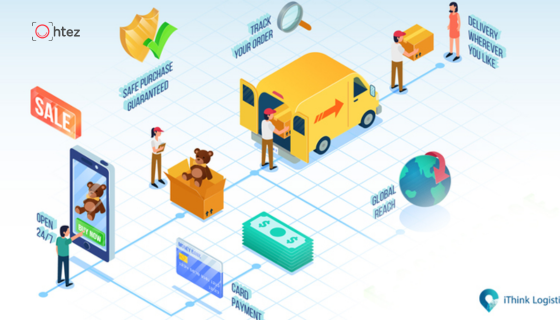
E-commerce companies operate fast-moving supply chains that require constant inventory tracking and quick order fulfillment. In this context, the SCM software meaning focuses on speed, visibility, and automation.

Retailers use SCM tools to manage:
- Inventory levels across multiple warehouses
- Order processing and fulfillment
- Shipping and delivery tracking
- Demand forecasting based on customer data
For many digital businesses asking “What does SCM stand for in software?”, the answer goes beyond simple supply chain management. It represents a technology ecosystem that connects warehouses, delivery services, and online stores in real time.
Key benefits for e-commerce companies include:
- Faster order fulfillment
- Improved delivery accuracy
- Better inventory visibility
- Reduced operational costs
These examples demonstrate the practical SCM software meaning in modern retail operations where speed and efficiency directly impact customer satisfaction.
Global Supply Chain Coordination
Large international companies often manage supply chains across multiple countries. In this scenario, the SCM software meaning involves coordinating suppliers, logistics partners, and distribution networks worldwide.

Businesses use SCM software to:
- Monitor international shipments
- Track supplier performance across regions
- Manage customs and compliance processes
- Optimize transportation routes globally
Organizations that clearly understand the SCM software meaning can build resilient supply chains that adapt to disruptions such as transportation delays or supplier shortages.
Common capabilities used in global operations include:
- Real-time shipment tracking
- Supply chain risk monitoring
- Cross-border logistics coordination
- Integrated supplier communication systems
These global implementations highlight the full SCM software meaning, showing how advanced supply chain platforms help businesses maintain visibility, efficiency, and control across complex international networks.
>> See more: Which framework is best for your project?
How to Choose the Right SCM Software for Your Business
When choosing a solution, it is important to evaluate how well the platform reflects the real SCM software meaning-a system that connects different supply chain functions into a single, intelligent ecosystem.

Key factors to consider include:
- Supply chain visibility: A good solution should clearly reflect the SCM software meaning by providing real-time visibility into inventory levels, shipments, suppliers, and demand forecasts.
- Integration capabilities: The best tools that embody the true SCM software meaning integrate seamlessly with ERP systems, warehouse management systems, and e-commerce platforms.
- Scalability for business growth: Companies should select platforms that support long-term expansion. Understanding the SCM software meaning helps businesses choose flexible solutions that can adapt as supply chains grow.
- Automation and data analytics: A core part of the SCM software meaning is using technology to automate repetitive tasks and generate insights that improve decision-making.
- User experience and collaboration tools: Modern solutions aligned with the SCM software meaning make it easier for suppliers, logistics teams, and managers to collaborate using shared data and dashboards.
Ultimately, selecting the right system requires both technical evaluation and a strong understanding of the SCM software meaning. Businesses that fully understand the SCM software meaning can choose technology that reduces operational costs, improves logistics efficiency, and strengthens the entire supply chain network.
Improve Your Supply Chain with the Right Technology with Ohtez
Organizations that explore the SCM software meaning also discover how powerful these systems can be for improving collaboration. With modern platforms, companies can:
- Track shipments and inventory in real time
- Improve demand forecasting and supply planning
- Automate procurement and order management
- Enhance communication with suppliers and partners
- Reduce operational delays and logistics errors
Many professionals also ask “What is an SCM software?” It is a technology platform that integrates logistics operations, production planning, and distribution management into one system. Once businesses fully understand the SCM software meaning, they can transform traditional supply chains into data-driven ecosystems that support growth and scalability.

At Ohtez, we help organizations adopt innovative technologies that unlock the full potential of supply chain systems. Our expertise allows businesses to implement solutions that align with the true SCM software meaning-improving efficiency, strengthening resilience, and building smarter digital supply chains. Learn more about our technology insights and solutions today. Contact us!
>> See more: Top 10 IT outsourcing companies in Vietnam